Heat pumprepair
Winter heat pump repairs in Seneca are usually a defrost board, a reversing valve or backup heat that won't shut off, and the visit starts with a $75–$150 diagnostic.
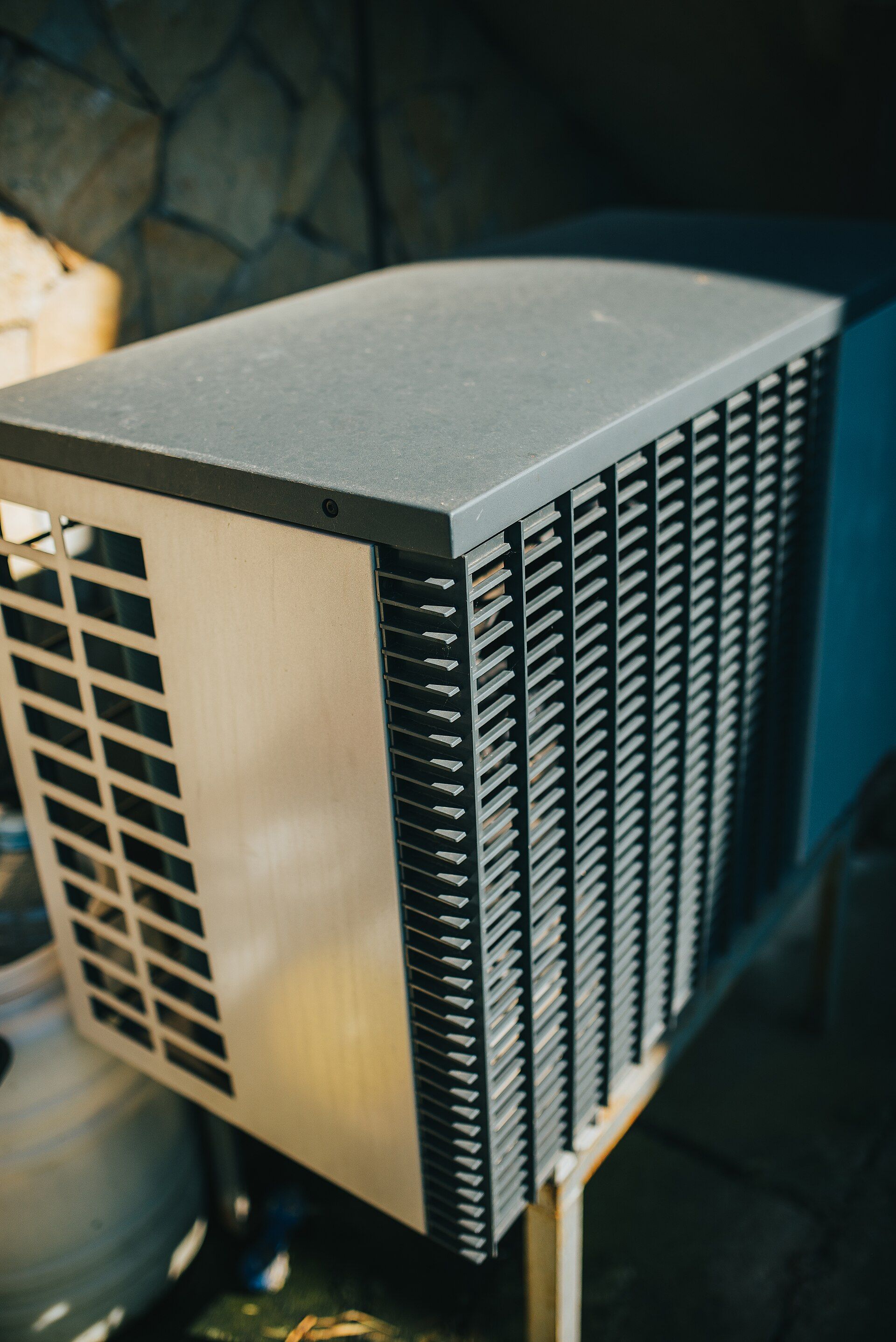
Most not-heating repairs run $150–$650 on top of the diagnostic. Your request goes to a licensed local HVAC contractor, who finds the fault and prices it before any work starts.
What are the signs a heat pump needs repair?
Call when the house won’t hold temperature on a cold morning, the outdoor unit stays caked in ice, the thermostat shows aux or emergency heat for hours, or the power bill jumps well past last winter’s.
Some things look wrong but are normal: air that feels warm rather than hot, light frost that clears on its own, and a whoosh with a cloud of steam during defrost. These are not:
- Air that never warms the house, even after a long run
- Thick ice that stays on the outdoor coil for hours
- Aux heat showing most of the day in weather above freezing
- Grinding, screeching, or an outdoor fan that won’t turn
- A breaker that trips again after one reset
If it runs but blows cool air, our guide to why a heat pump blows cold air walks through the seven usual causes.
What usually fails on a heat pump in winter?
Four faults cover most winter calls: the defrost controls, the reversing valve, backup heat that stays on, and an outdoor coil that ices and won’t clear.
Defrost board or sensor
In heating mode the outdoor coil runs below freezing and frosts over. Every so often the system reverses for a few minutes to melt it. If the board or its sensor fails, ice builds up, heat output fades and the backup strips carry the house. A new board runs $250–$650.
Reversing valve
This valve switches the system between heating and cooling. When it sticks, a heat pump that cooled fine all summer blows cool air in heat mode. The refrigerant is recovered, the valve brazed in and the system recharged, so the job runs $900–$2,200. On a system near 10 years old, weigh that against replacement.
Backup heat stuck on
Electric strips in the air handler help on the coldest mornings and during defrost. When they run all day, the cause is often a thermostat setting, a wiring fault, an outdoor sensor, or a heat pump that has quietly stopped and left the strips doing all the work. Strips cost far more to run. Our guide to aux heat vs emergency heat explains what the thermostat is telling you.
Outdoor coil iced solid
A coil encased in ice points to a defrost fault, low refrigerant, a stuck outdoor fan, or a gutter dripping onto the unit.
What about gas furnace repairs?
Homes on Fort Hill natural gas or propane often have a gas furnace, and its two commonest faults are cheap: a cracked igniter or a dirty flame sensor.
- Igniter. The furnace clicks and tries to start but never lights. A new igniter runs $150–$400.
- Flame sensor. The burners light, then shut off after a few seconds. Cleaning or replacing the sensor runs $90–$300.
- Dual fuel. This pairs a heat pump with a gas furnace. If the furnace runs all winter and the heat pump never does, the changeover setting or the outdoor unit needs a look.
If you smell gas, leave the house and call the gas company or 911 from outside.
What should you check before calling?
Check the thermostat mode, the breakers, the filter and the outdoor unit first; any one of them can stop the heat.
- Thermostat. Set to Heat, not Emergency Heat, with the setpoint above room temperature. Note whether “aux” is showing.
- Breakers. Heat pumps usually have a breaker for the outdoor unit, one for the air handler, and one or two for the backup strips. Reset a tripped one once; if it trips again, leave it off.
- Filter. A clogged filter cuts airflow and makes the system work harder for less heat.
- Outdoor unit. Clear leaves and snow from around it. Don’t chip or pry ice off the coil; it bends the fins and can puncture the tubing.
- Gas furnace. Make sure the service switch on or near the furnace is on and the front panel is seated, since a loose panel can stop it starting.
What does a heat pump repair cost in Seneca?
Most not-heating repairs come to $150–$650 on top of the $75–$150 diagnostic; the table on this page lists the common parts.
Age changes the math. Heat pumps last 10 to 15 years, toward 10 here because they heat and cool year-round in humid weather. A reversing valve, or a compressor at $1,500–$3,500, on a 12-year-old unit is usually a replacement conversation. Our guide on whether to repair or replace shows how to decide, and heat pump and AC replacement covers the new system. On an R-22 heat pump, refrigerant at $125–$250 a pound makes any leak repair hard to justify.
Lake homes on Keowee and Hartwell are often all-electric, with strips as the only backup, so a heat pump fault shows up fast on the bill. Request a repair visit and say what the thermostat shows.
What it costs
Typical installed prices in the Upstate. A ballpark, not a quote: the contractor prices your job after seeing it.
| Job | Typical price | What moves it |
|---|---|---|
| Diagnostic visit | $75–$150 | The minimum for any repair call: the trip and finding the fault. Many contractors credit it toward the repair. |
| Heat pump defrost board | $250–$650 | A common winter fault: the outdoor coil ices and the heat fades. |
| Heat pump reversing valve | $900–$2,200 | The refrigerant is recovered, the valve brazed in, and the system recharged. |
| Capacitor or contactor | $150–$400 | The commonest summer repair. A dual-run capacitor costs more than a single one. |
| Thermostat | $150–$350 | A standard model, installed. A smart thermostat runs $250–$550. |
| Indoor blower motor | $450–$1,000 | A standard motor. A variable-speed (ECM) motor runs $900–$2,000. |
| Furnace igniter | $150–$400 | Gas furnaces. A dirty flame sensor costs $90–$300 to clean or replace. |
| Refrigerant leak repair | $300–$1,500 | Finding and fixing the leak, before refrigerant. R-410A runs $60–$110 a lb installed. |
| Compressor | $1,500–$3,500 | Out of warranty. On a system over 10 years old, price a replacement first. |
Common questions
Why does my heat pump send up steam in winter?
That's the defrost cycle. The outdoor fan stops while the coil warms to melt its frost, and the meltwater steams for a few minutes. Ice that never clears is the problem, not the steam.
Should I switch to emergency heat if the heat pump stops?
Only as a stopgap until the repair. Emergency heat runs the electric strips alone, which costs far more to run, so switch back once the heat pump is fixed.
Can a heat pump keep a Seneca house warm in January?
Yes. January lows here average about 32°F, well within what a working heat pump handles, with the backup strips helping on the coldest mornings. If it struggles on a mild day, something is wrong.
How much is a heat pump service call?
The diagnostic usually runs $75–$150 in business hours, and many contractors credit it toward the repair. Ask when you book.
Is a reversing valve worth replacing?
On a younger system still under its parts warranty, usually: you pay labor and refrigerant. Past 10 years, a $900–$2,200 repair often makes a new heat pump the better buy.
Other heating and air work
- AC repairDiagnosis and repair for central air and heat pumps in cooling season, with typical Seneca repair prices.
- System replacementNew heat pumps, central AC and gas or dual fuel systems: sizing, efficiency and what a good quote lists.
- Mini-splitsDuctless heat pumps for bonus rooms, garages, additions, sunrooms and homes without ducts, one room to four.
- Tune-upsSpring and fall tune-ups for heat pumps, AC and furnaces: what a real one checks and what to do yourself.
- DuctworkDuct cleaning when warranted, plus sealing and repair for leaky, crushed or wet crawlspace and attic ducts.
Get a ballpark now
Pick what fits and get a ballpark now. Then a licensed local HVAC contractor calls or texts with a real price after seeing the system.
Call, text or ask for a price
Seneca Heat & Air
Seneca and Oconee County
Mon–Sat, 7am–7pm